

Blockchain where it genuinely helps


Blockchain Development Company
Most problems presented as blockchain problems are database problems, and we will say so. But when you genuinely need shared state between parties who do not trust each other, or assets that must be verifiable independently of you, it is the right tool. Quanrio builds smart contracts, wallets, tokenisation and dApps — with the security review that this work demands.







Our Work



What our clients say
Baqar Jafri
CEO, Investors Lounge
Investor Lounge needed a tool that could gather news articles of different genres from multiple sources, Quanrio was unbelievably helpful in accomplishing this task for us. They came up with a well researched tool and provided customized solution according to our needs. Most prominent quality of Quanrio is their honest...


Fahad Javed
HR Manager, House of Habib
Quanrio designed a system that has automated HR processes at HoH earlier acheived with papers going through several desks. The software they provided to House of Habib was built around the company policies and fits in perfectly. This required not only technical knowledge but their ability to communicate and understand...


Uzma Shah
HR Manager, Engro Systems
Consultancy provided by Quanrio in automating processes is unmatched! Team is highly patient, collaborative and knows how to successfully pull off difficult and unique tasks, enabling them to provide tailored solution for every unique problem. Communication and availability is one of their valuable traits; They are swi...


Michel Combes
Co-Founder, AdoLE
I recommend Quanrio for its exceptional services in mobile application development. I recently entrusted Quanrio with a time-sensitive project to develop an ultra-fast mobile application for a conference demonstration. I'm thrilled to share that their team not only met but exceeded all my expectations. Despite the chal...


Simone Zacho Baarts
Head of Operations, Raw Research
Partnering with Quanrio has been an exceptional experience. Despite the geographical distance—me in Denmark and Quanrio elsewhere—the team remained consistently accessible whenever I required their assistance. Quanrio's work is nothing short of remarkable; the quality they deliver is truly commendable. Their patience i...


First Question: Do You Need A Chain At All?
Blockchain is slower, more expensive and far less forgiving of bugs than a database. It earns its place in exactly one situation — several parties need to agree on state without any one of them being trusted to hold it. If that is not your situation, we will tell you, and it will save you a great deal of money.
When it is your situation, the engineering is unforgiving: deployed contracts cannot be patched, and mistakes are immediately and permanently expensive. That changes how the work is done, and most of the effort goes into review and testing rather than writing.
What We Deliver
What We Build On-Chain
Contracts, the systems around them, and the interfaces people actually use.
Smart Contracts
Solidity contracts on Ethereum and EVM chains, with upgrade patterns chosen deliberately, exhaustive tests and gas profiling before deployment.
Tokenisation
Fungible and non-fungible assets, vesting, escrow and transfer restrictions where a regulated asset needs them.
Wallets And Custody
Wallet connection, account abstraction, multisig, and integration with custodial providers where holding keys yourself is not appropriate.
dApp Front Ends
Web and mobile interfaces that explain what a transaction will do and what it will cost before a user signs it.
Off-Chain Infrastructure
Indexers, event listeners, subgraphs and APIs, because almost nothing useful can be read directly from a chain at acceptable speed.
Security Review
Internal review, static analysis, invariant and fuzz testing, and coordination of an external audit before anything holds real value.
How We Approach Blockchain Work
Three principles, the first of which loses us work and saves you money.
We Will Talk You Out Of It
If a Postgres table and an audit log solve your problem, that is the recommendation, even though it is a smaller project for us. Blockchain adds cost, latency and risk, and it should only be paid for when the trust model actually requires it.
Immutable Means Tested First
You cannot hotfix a deployed contract. Unit tests, invariant tests, fuzzing, forked-mainnet simulation and a testnet period with real usage come before deployment — and an external audit before anything of value is at stake.
Users Should Understand The Signature
Most losses in this space are social, not cryptographic: people approve things they did not understand. We design transaction flows that state plainly what is being authorised, for how much, and to whom, and we set approvals to the minimum that works.


How We Run The Build
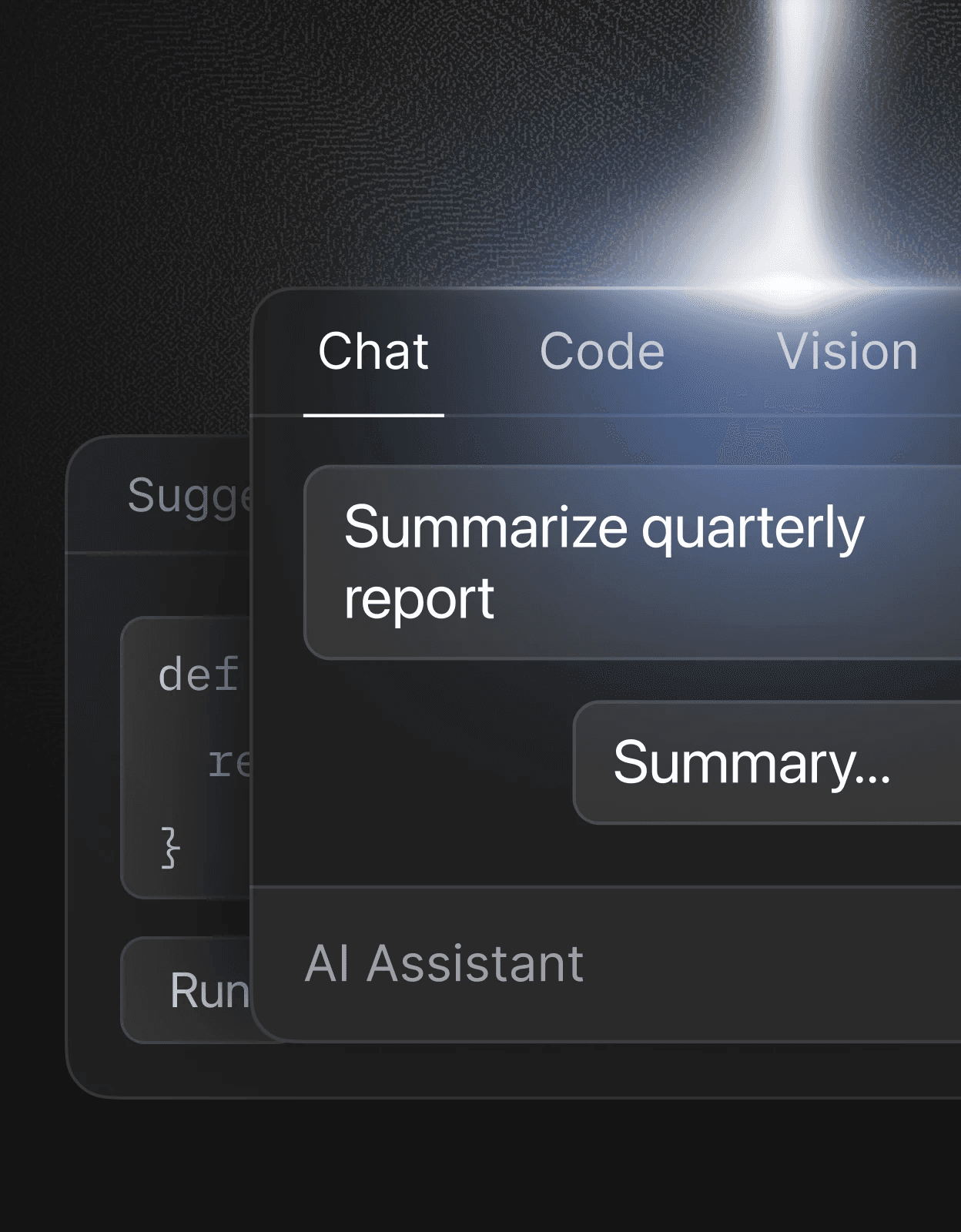
Step # 1
Discovery And Planning
We start by understanding the problem rather than the feature list: who the users are, what they are trying to finish, and what the business needs out of it.
That turns into a scoped plan — the functionality, the technical requirements, the milestones, the budget and the timeline — before anyone opens an editor.
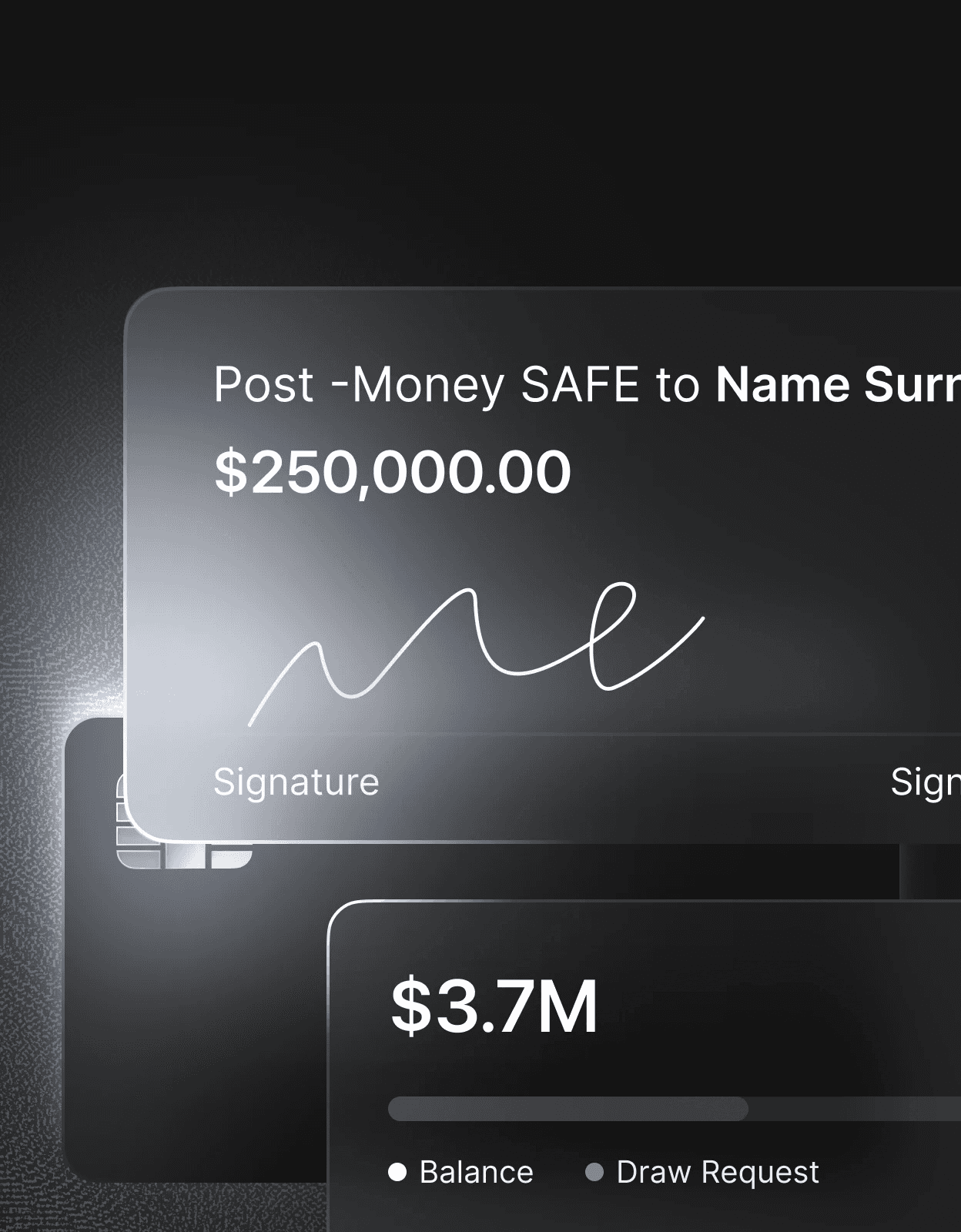
Step # 2
UI/UX Design
Wireframes first, so the structure is agreed while it is still cheap to change, then the visual design built on your brand.
We prototype the journeys that matter and put them in front of people early, so the interface is tested rather than assumed.
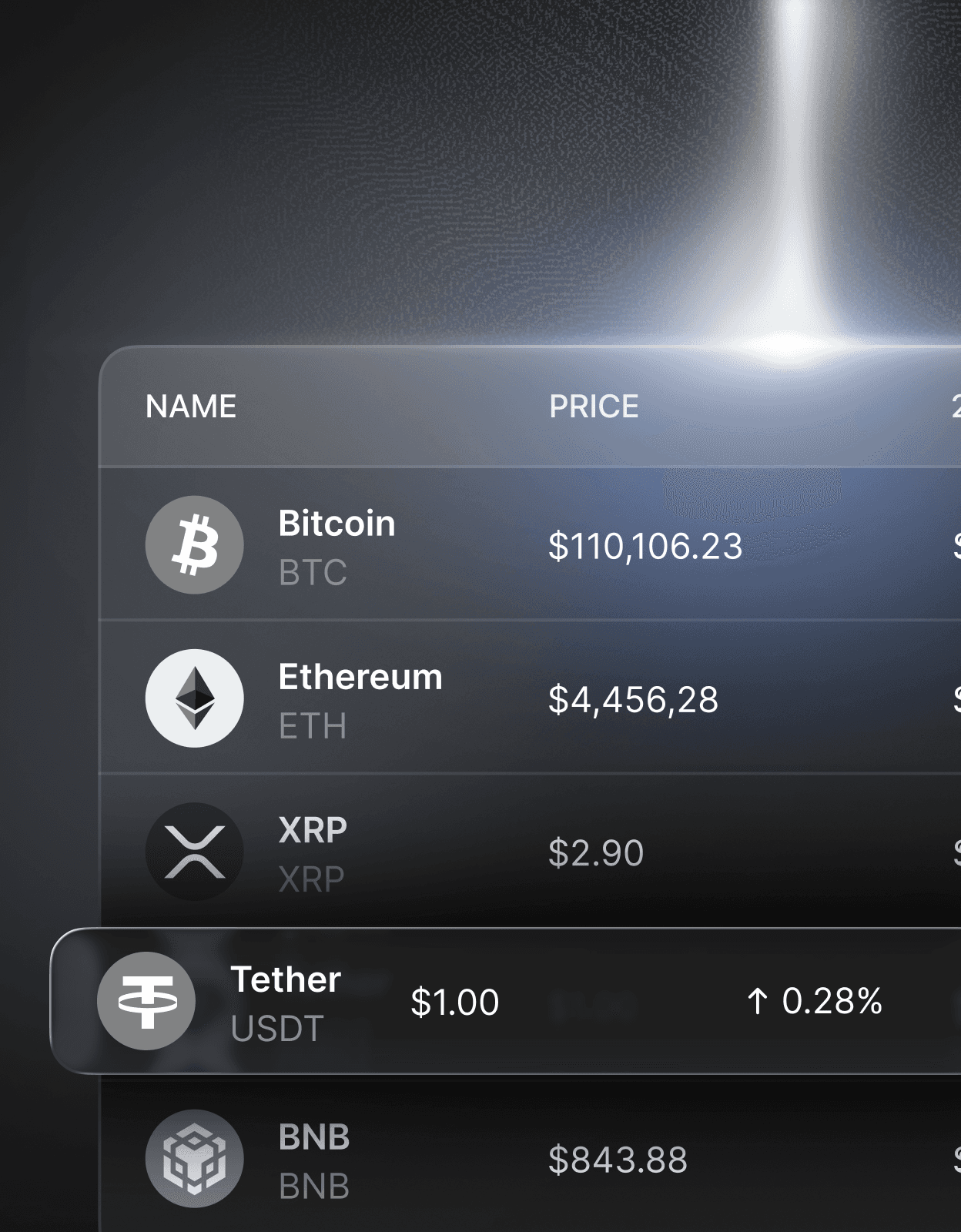
Step # 3
Development
Development runs in short increments you can see. Frontend and backend are built together against a shared contract, so integration is not left as a surprise at the end.
Code is reviewed, environments are scripted, and every increment ships to a staging build you can open yourself.
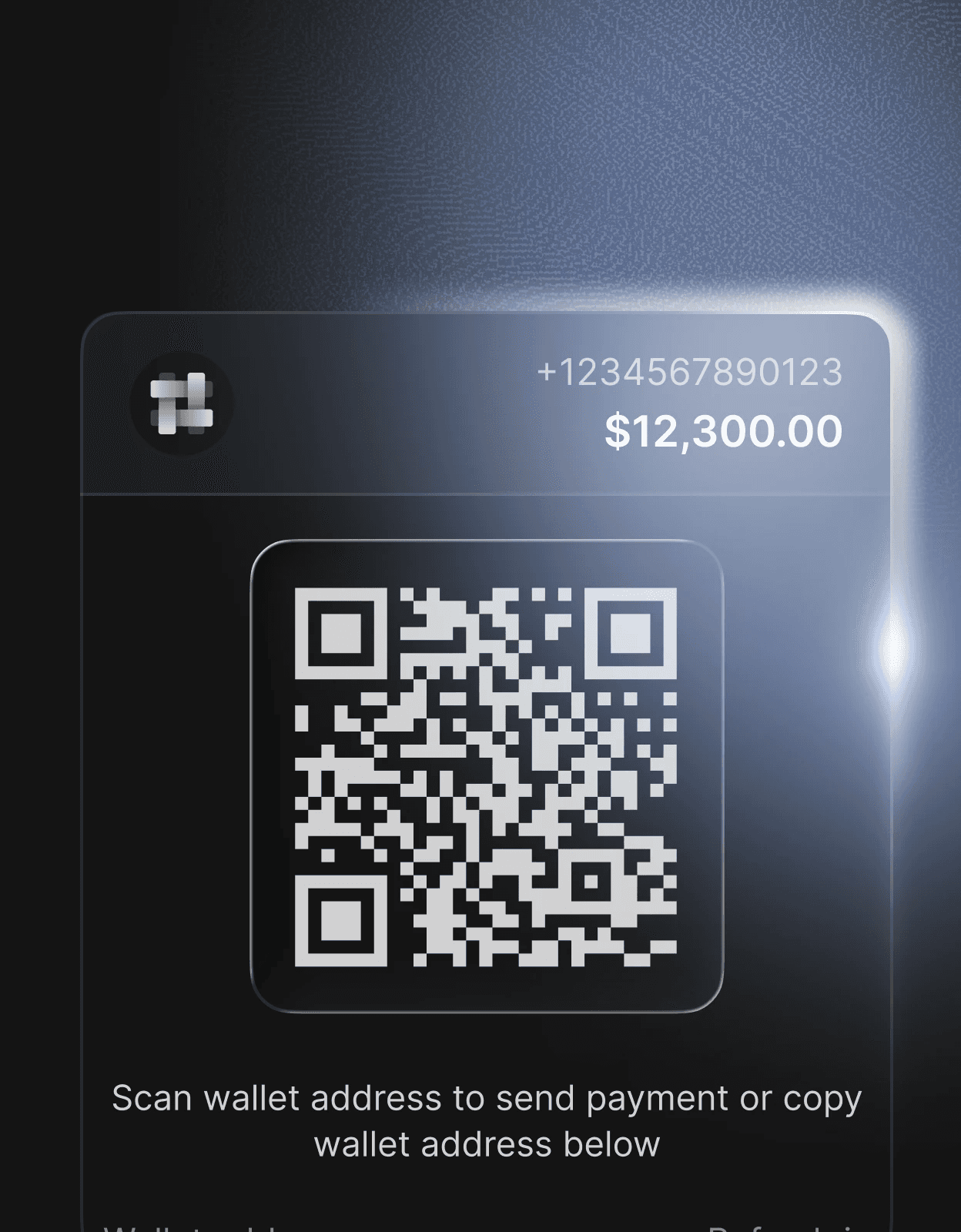
Step # 4
Quality Assurance
QA runs throughout the build, not as a phase bolted on before launch — functional testing, cross-device and cross-browser checks, performance, and security review.
Bugs are fixed against the increment that introduced them, so the release does not inherit a backlog.
Step # 5
Launch And Support
We handle the deployment, the store or server configuration, and the monitoring that tells us how the release is behaving in the real world.
After launch we stay on it: fixes, improvements, and keeping the stack current so it does not quietly rot.

Why Teams Choose Quanrio For Blockchain Development
Affordable pricingPremium quality assuranceProfessional custom mobile app developersCustomized solutionsOn time delivery
User centric designContinues supportClient satisfactionDirect contact with your team
Frequently Asked Questions
What Is A Blockchain Development Company?
Blockchain development company is a company that helps businesses and companies integrate blockchain technology into their existing systems. Simply said, they develop, maintain, and integrate blockchain systems and platforms.
Do You Provide Blockchain Project Development Consulting?
Yes! Quanrio as a blockchain development company not only offers blockchain development services but also provides blockchain project development consultation to businesses who needs guidance. We consult such businesses who have no idea of what needs to be built or how blockchain technology can help their business.
How Long Does It Take To Build A Blockchain App?
The time consumed by a blockchain development company to complete a blockchain development project depends on several factors like the complexity of the project, features and members of a blockchain development team, and many more. A simple blockchain development can take anywhere from 2 months to a year.
How Much Do Blockchain App Development Services Cost?
Quoting a blockchain app development services cost without getting into the project details is nearly impossible. Because the blockchain development cost depends on several factors like the complexity of the app, the number of features, the developer’s location, and many more. However, on average, blockchain mobile app development costs can vary from $20,000 to $200,000. To get the right price you need to discuss the project details with the blockchain development company.
How To Hire The Right Blockchain Developers From a Blockchain Application Development Company?
To hire the right blockchain developers for your blockchain development projects all you need to do is to go through the previous project they have worked on. If they have previously worked on a similar project, you can hire them comfortably. If you’re hiring blockchain developers for the first time, things can get pretty challenging. But with the right strategy, you can hire them
What Blockchain Technologies Do You Work With?
As one of the top blockchain development companies in the world, we’ve experience with plenty of blockchain technologies like Ethereum, BSC, Polygon, Aurora, Solana, Avalanche, Secret Network, Dfinity, and Klayth.
Do you offer blockchain application development?
Yes, Quanrio is an experienced blockchain app development company offering blockchain application development services.
Which programming languages are used in blockchain development?
The most commonly used programming languages in blockchain development are Java, Javascript, C++ python, PHP, Go, Ruby and Solidity.
How many blockchains are there?
For now, there are 4 types of blockchain networks namely public blockchains, private, consortium, and hybrid blockchains.
What is the difference between public blockchain and private blockchain?
Private blockchains are open to only selected people and are more secure whereas public blockchains are open to the general masses.
What are the blockchain development services Quanrio provides?
The blockchain development services that Quanrio offers include NFT design and development, smart contract development, coins development and ICO, exchange development, NFT minting and integration and custom blockchain development solutions.
How to hire the best blockchain developer?
You can explore different platforms to hire the best blockchain developer such as freelance marketplaces, online communities, forums etc.
What is blockchain development?
Creation of shared, unchangeable, and distributed ledger technology (DLT) meant to record transactions and track assets. These assets may be physical like money or real estate or non-physical assets like copyrights.
How to hire the right blockchain developers from a blockchain development company?
Hiring the right blockchain developers from a blockchain development company is a bit challenging task. However, the hiring of the right blockchain developers depends on team size, experience, portfolio, industry exposure, rating & reviews, etc.
Do you provide custom blockchain development?
Yes, as a blockchain software development company, Quanrio provides custom blockchain development with prioritizing blockchain technology.
What is blockchain used for?
Blockchain is most commonly used for digital currency such as bitcoin but it is also now used in various sectors to protect records.
What are the pillars of blockchain technology?
There are 3 pillars of blockchain technology: Decentralization, transparency and immutability.
Why is blockchain important?
Blockchain is important because it offers security, transparency, and trust between the entire user’s network.
How do I choose the best blockchain development company?
Evaluate the expertise and previous experience of your chosen company in blockchain development. Also, it’s best if the company has a proven track record of successful blockchain projects.
How do I choose which blockchain to build on?
Factors to consider when choosing a blockchain development include scalability, security, cost, developer ecosystem, and interoperability.